


With a dinner in the courtyard of Honor of the Supreme Court began the first meeting of the J20


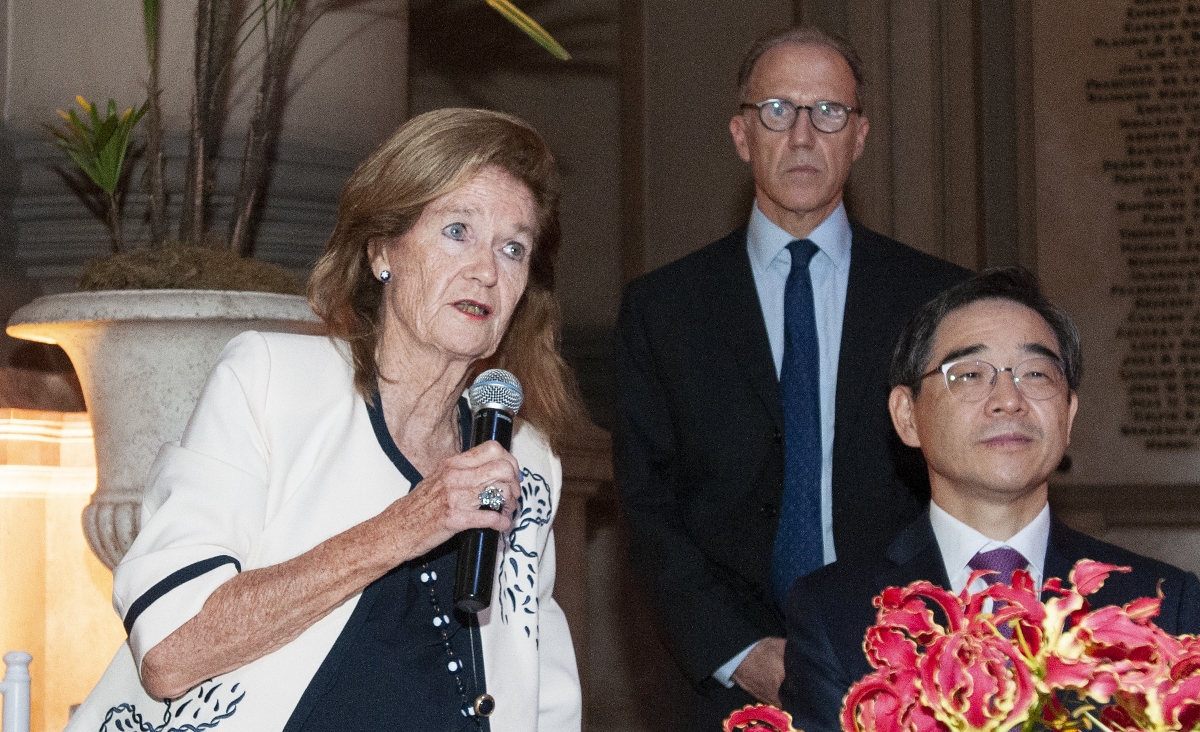
With the participation of Argentine Justices, Chief Justices, presidents, and judges of international courts and the highest courts of more than 20 countries began the first meeting of the J20 in a meeting held tonight in the courtyard of Honor of the courthouse.
“Your attendance here proves the commitment each and every one of you has with the different issues we will be addressing in the following days and the construction of a space of dialogue towards the search of consensus and cooperation for peace" said Deputy Chief Justice Elena Highton - Nolasco.
Beyond the particularities of each judicial system, these problems are common to all our countries: Rights and fairness, sustainable development, justice and corruption, the rule of law, judicial reform, drug trafficking, Globalization and gender issues, she listed in a speech spoken in English.
It is "very important," said Highton - Nolasco, “that the Judicial Branch of Government leads both the reforms and the improvements in justice in each of our countries, that we emphasize the continuous training of members of the judiciary and those who assist them, and that we achieve a swift and timely response to what our people demand and the scourges which affect our societies, like drug trafficking, gender violence, discrimination, social exclusion and, in general, the lack of protection of vulnerable groups”.
In that regard, the head of the National Commission for Access to justice, the women's Office and the Office of Domestic violence stressed that “it is fundamental that the judiciary is ready to act with gender perspective both in preventing and investigating crimes and in eliminating all forms of discrimination against women. This requires the continuous training of all judicial agents”.
She also stressed that “we must aim to have a judiciary fully committed to the defense of fundamental rights and to an accessible and transparent justice”.